 Sacred Drop
Plantation of a Vineyard in La Rioja, Spain
Posted on May 2, 2012
Springtime is finally here, as of today, May 2, 2012, Finca La Emperatriz is a buzz with the sounds of the tractors preparing the land for the next generation of vines that will create future wine for Bodegas La Emperatriz in the years to come.
Today, Bodegas La Emperatriz has planted six hectares (14.82 acres) of new vines in the Finca La Emperatriz Estate located in Rioja Alta. There will be three hectares or 7. 42 acres of Maturana Tinta de Navarrete and another 3 hectares of Tempranillo rootstock. There will be approximately 3,077 vines per hectare planted today. The process of planting a vineyard generally starts in La Rioja in spring. Due to the recent and much needed rain showers, the land was already soft and easy to plough.
At Finca La Emperatriz, the land is ploughed or turned up with a tractor. Once this is completed, the land is ready for the second tractor carrying behind it a 2 seater machine that allows a person to hand place the rootstock into the rotating machine to place it in the ground. Once this is done, then two wheels on each side of the rootstock bring the dirt together and bury the rootstock. The rootstock with the grafted area sticks out of the ground so that the vine can start to take root and grow.
Below you will see the video that shows how it was done today.
Maturana Tinta de Navarrete is a one of the new varieties approved by the Control Board of the Rioja Designation of Origin in May 2009. Maturana Tinta is a native Riojan variety that was rescued from extinction by research done by the University of La Rioja and the Center of Investigation and Agrarian Development (CIDA-Centro de Investigación y Desarrollo Agrario). Maturana Tinta is known for its small compact clusters of small berries. It has a high color intensity and anthocyanin content with high acidity and medium alcohol content. While a common grape used for blending, it can also be made into a mono-varietal wine that is a dark purple color with typical varietal aromas of black berries, green pepper (pyrazines), licorice, balsamic and spice notes. Due to its notable acidity it provides a very well-structured mouth and persistence. It is also this characteristic that makes this an ideal wine to be aged.
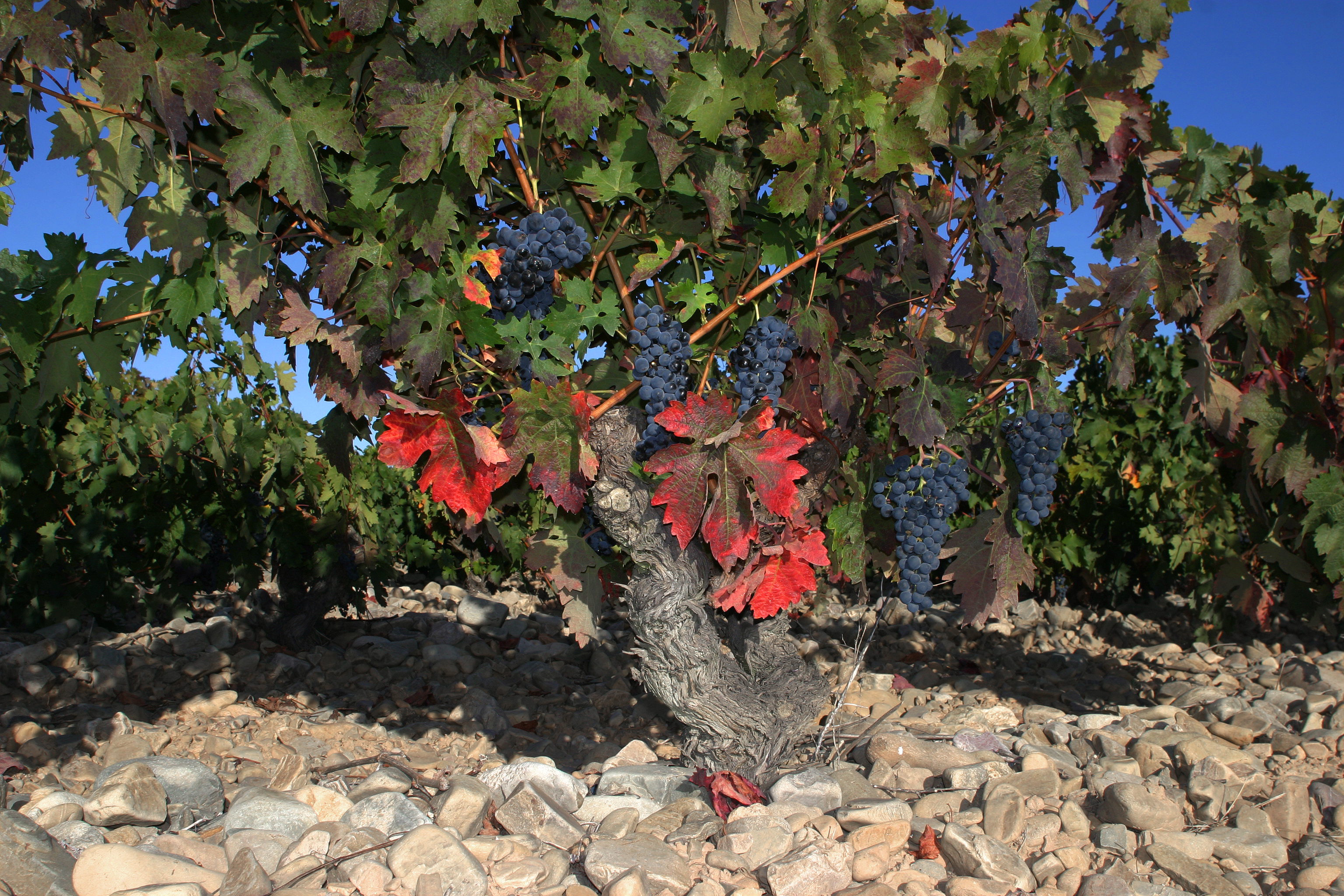 Tempranillo is the most widely planted variety in Spain and in la Rioja, where it is used due to its proven ability to age. In La Rioja, It is the wine region’s best known grape. It occupies more than 75% of the region’s vineyards and it is very versatile variety that has a good balance of alcohol content, color and acidity, and an honest, smooth, fruity mouth feel that turns velvety as it ages. Tempranillo is found as the predominant grape variety used in Crianzas and Reservas of La Rioja.
A Red-Wine Chemical Cuts the Fat | Health News | News & Features | Wine Spectator
Posted on April 25, 2012
A Red-Wine Chemical Cuts the Fat | Wine Spectator.
Need anymore reasons to enjoy a glass of wine tonight? Happy #WW!
Logroño, La Rioja, named Gastronomic Capital of Spain 2012
Posted on April 18, 2012

Gastronomic Capital of Spain is sponsored by the Federación Española de Hosterlería (FEHR), Spanish Federation of Hospitality, and Federación Española de Periodistas y Escritores de Turismo (FEPET), Spanish Federation of Journalist and Tourism Writers. The FEHR and FEPET created this Capital in order to promote Spanish gastronomy at a national and international level, as an attractive form of tourism in Spain.
According to the Spanish Secretary General of Tourism, in Spain, there are over 59.2 million people who visited the country in 2010, five million of which came solely for gastronomic reasons. So how does it work? Each year a city is nominated as the “Capital Española de la Gastronomía (CEG), Gastronomic Capital of Spain, which lasts from the January 1 to December 31.
La Rioja was chosen due to its leadership in Spain to market its land, wine and active tourism not only nationally but internationally. It was able to take their successful model of ecotourism to gastronomic tourism.
Logroño, the capital, is situated in the heart of La Rioja. Oenologically (in regards to wine) La Rioja is divided into three different regions, Rioja Alta, North West of Logroño; Rioja Alavesa, the Basque wine region, North of Logroño; and Rioja Baja, South East of Logroño. Rioja Alta and Rioja Alavesa are well known in the wine industry, whereas Rioja Baja, which also produces wine, is primarily known for excellent agricultural products that are also under a Designation of Origin – DO similar to the wine which is under a Qualified Designation of Origin—DOCa. These DOs are a regulatory classification system used to control and ensure the quality of products of these regions in wine as well as food. Combining these quality agricultural products along with quality wine and the already established culinary culture of La Rioja, optimally makes La Rioja a prime candidate for being selected as the Gastronomic Capital of Spain.
In La Rioja, there are over 510 restaurants and 2,180 bars (that also serve food-tapas) that all share the drive and desire to continue to make La Rioja a gastronomic destination now and in the future. For these reasons and more, Logrono, La Rioja was selected as Gastronomic Capital of Spain.
Speaking from personal experience, Logroño, the city in which I live, is wonderful. I have never been a place in the world that lives, eats and breathes this concept more. Every day there is an event that demonstrates this, such as tonight, for example, I am attending a tasting that is sponsored by La Rioja, a regional newspaper, called “Lo Mejor del Vino de Rioja Cata,” The best wine of La Rioja wine tasting, which is open not only to people in the industry but also the general public. This event is held every month to highlight one Riojan winery of the region and allow everyone to try their wines with the owner and winemaker. A few weeks ago, there was a Tapas Week as part of this Gastronomic capital initiative where all the bars in Logroño served their special tapa ( small bite) with wine for a special price. There are also two streets dedicated to Tapa hopping, which is the same concept as bar hopping, except you literally go bar to bar in these two streets, Calle San Juan and Calle Laurel, and devour the beautifully tasty tapas that are specific to each bar with a wonderful Riojan wine.
What more can you ask for? If it were up to me, Logroño would be named Gastronomic Capital of the World, and this coming from someone who has lived in a lot of places. Though Peruvian and Thai food would be my next choice!
 Sacred Drop